
What Makes a Great Thought Leadership Video: The Elements That Actually Build Authority
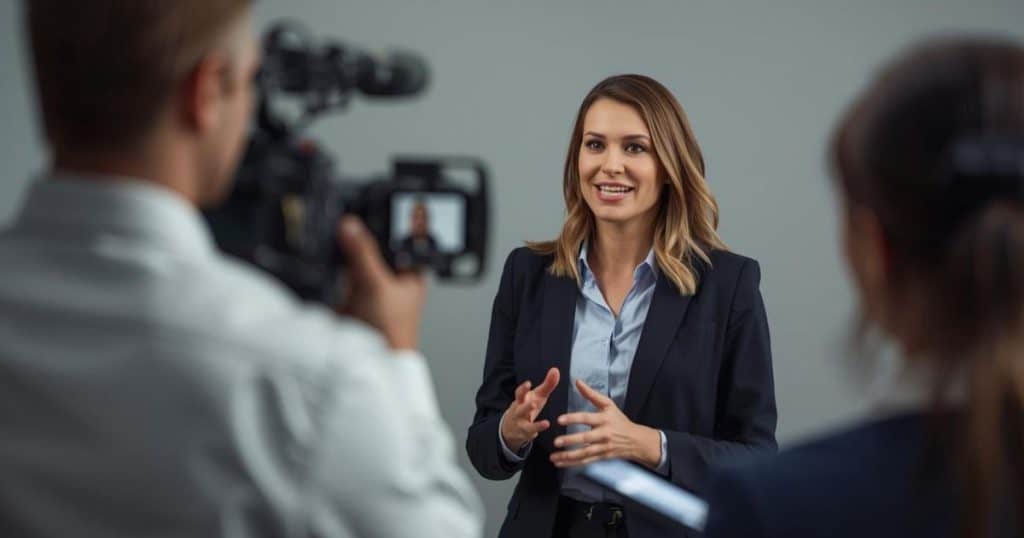
Table of Contents
- Why Most Thought Leadership Videos Fall Flat
- The Foundation: Format and Structure
- Content Depth: Beyond Surface-Level Insights
- Production Quality That Commands Respect
- Delivery and Presence
- Strategic Distribution and Context
- The Interview Format Advantage
- Common Mistakes That Kill Authority
- FAQs
- Conclusion
You’ve seen them everywhere. Coaches recording themselves in their cars. Consultants talking into their phones. Speakers delivering wisdom to their laptop cameras.
Most thought leadership videos feel like amateur hour. They damage credibility instead of building it.
The problem isn’t the expertise. The problem is how that expertise gets presented. A great thought leadership video doesn’t just share knowledge—it positions you as the obvious choice in your field.
Here’s what separates authority-building videos from forgettable content.
Why Most Thought Leadership Videos Fall Flat
Most professionals approach video content backwards. They focus on what they want to say instead of what builds trust with prospects.
Your audience doesn’t need another tip or trick. They need to see you as someone worth hiring before they ever pick up the phone.
The difference between effective thought leadership videos and amateur content comes down to editorial credibility. People trust what feels earned, not promoted.
When you record yourself sharing insights, it feels promotional. When someone else interviews you about your expertise, it feels editorial. That shift in perception changes everything.
The Foundation: Format and Structure
The Interview Format
The most effective thought leadership videos use an interview structure. Here’s why it works:
Third-party validation: An interviewer asking questions creates implied endorsement. Someone else believes your insights are worth hearing.
Natural flow: Conversations feel more authentic than monologues. Your expertise emerges organically through dialogue.
Viewer engagement: People stay engaged longer when they feel like they’re listening in on a conversation.
Credibility signals: The interview format mirrors media appearances, lending editorial weight to your content.
Essential Structural Elements
Strong thought leadership videos follow a clear structure:
Opening hook: Start with a compelling question or problem statement that grabs attention immediately.
Context setting: Briefly establish your background and why your perspective matters.
Core insights: Share 2-3 substantial points with specific examples or frameworks.
Practical application: Show how viewers can apply your insights in their situation.
Clear conclusion: End with a memorable takeaway that reinforces your expertise.
Content Depth: Beyond Surface-Level Insights
Move Past Generic Advice
Your content needs depth that demonstrates real expertise. Generic advice makes you forgettable.
Instead of saying “communication is important,” share the specific framework you use to diagnose communication breakdowns in organizations. Instead of “mindset matters,” explain the three-step process you’ve developed to help clients shift limiting beliefs.
Share Your Methodology
The best thought leadership videos reveal your unique approach to solving problems. This serves two purposes:
- It demonstrates your expertise through specificity
- It creates curiosity about working with you directly
Don’t worry about giving away your secrets. Your methodology is just the beginning—implementation is where you add value.
Use Real Examples
Abstract concepts don’t build authority. Specific examples do.
Share case studies (with permission). Describe real situations you’ve encountered. Walk through actual problems you’ve solved. The more specific you get, the more credible you become.
Production Quality That Commands Respect
Audio Comes First
Poor audio kills credibility faster than anything else. Your voice needs to be clear, consistent, and professional.
Invest in a quality microphone. Record in a quiet environment. Test your audio levels before recording. If people can’t hear you clearly, they won’t trust your expertise.
Visual Standards
You don’t need Hollywood production values, but your video should look intentional:
Lighting: Natural light works well, but make sure it’s consistent and flattering. Avoid harsh shadows or backlighting.
Framing: Position yourself appropriately in the frame. Too close feels uncomfortable; too far feels distant.
Background: Keep it simple and professional. Your environment should support your message, not distract from it.
Stability: Use a tripod or stable surface. Shaky footage makes you look unprepared.
Technical Considerations
Video quality: 1080p minimum. Higher resolution shows attention to detail.
File format: Use standard formats that play well across platforms.
Length: 3-8 minutes typically works best for thought leadership content. Long enough to demonstrate depth, short enough to maintain attention.
Delivery and Presence
Conversational Authority
The best thought leaders speak conversationally while maintaining authority. You want to sound like an expert having a discussion, not delivering a lecture.
Pace: Speak at a natural pace with strategic pauses for emphasis.
Tone: Confident but not arrogant. Helpful but not desperate.
Energy: Match your energy to your content. Serious topics need thoughtful delivery; inspiring content needs more enthusiasm.
Body Language
Your physical presence reinforces your verbal message:
Posture: Sit or stand with confidence. Your posture affects how people perceive your authority.
Gestures: Use natural hand movements to emphasize points. Avoid repetitive or distracting gestures.
Eye contact: Look directly into the camera when making key points. This creates connection with viewers.
Authenticity Markers
Authentic delivery builds trust:
Natural speech patterns: Don’t over-script. Let your personality come through.
Appropriate vulnerability: Share challenges you’ve faced or lessons you’ve learned.
Genuine enthusiasm: Your passion for your subject should be evident.
Strategic Distribution and Context
Platform Considerations
Different platforms require different approaches:
LinkedIn: Professional context works well. Focus on business insights and industry expertise.
Website: Longer-form content that demonstrates comprehensive knowledge.
Proposals: Targeted content that addresses specific client challenges.
Contextual Framing
How you introduce your video matters as much as the content itself:
Problem-focused headlines: Lead with the challenge you’re addressing, not your credentials.
Clear value proposition: Tell viewers exactly what they’ll learn or gain.
Appropriate positioning: Frame yourself as a helpful expert, not a salesperson.
The Interview Format Advantage
Media-style interviews offer unique benefits for thought leadership:
Editorial Credibility
When someone else asks the questions, your expertise feels validated rather than self-promoted. The interviewer’s presence creates implied third-party endorsement.
Natural Flow
Conversations reveal expertise more naturally than presentations. Your knowledge emerges through dialogue, making it feel more authentic and trustworthy.
Viewer Engagement
People stay engaged longer with interviews. The back-and-forth dynamic holds attention better than monologues.
Professional Positioning
The interview format mirrors media appearances, lending editorial weight to your content. Viewers subconsciously associate this format with established expertise.
Services like Obvious Choice Interview specialize in creating these media-style interviews for coaches, consultants, and speakers. The professional production and interview format help position experts as credible authorities before sales conversations begin.
Common Mistakes That Kill Authority
Over-Promotion
Don’t use thought leadership videos as sales pitches. Your expertise should speak for itself. Subtle mentions of your services are fine, but the focus should be on providing value.
Poor Preparation
Winging it shows. Prepare your key points, but don’t over-script. Know what you want to communicate, but let it flow naturally.
Inconsistent Messaging
Your video content should align with your overall brand message. Conflicting or confusing messages damage credibility.
Ignoring Your Audience
Create content for your ideal clients, not for everyone. Generic content doesn’t build authority with anyone specific.
Technical Shortcuts
Poor production quality undermines your message. Invest in the basics: good audio, stable video, and proper lighting.
Copying Others
Your unique perspective is your competitive advantage. Don’t try to sound like someone else or follow trending formats that don’t fit your expertise.
FAQs
How long should a thought leadership video be?
Most effective thought leadership videos run 3-8 minutes. This gives you enough time to demonstrate depth while maintaining viewer attention. The key is saying something substantial rather than filling time.
Do I need expensive equipment to create authority-building videos?
You need quality audio and stable video, but you don’t need Hollywood-level production. A good microphone, proper lighting, and a stable camera setup are more important than expensive gear. Focus on clear communication over flashy production.
Should I script my thought leadership videos?
Prepare your key points but avoid heavy scripting. Over-scripted videos feel inauthentic. Know what you want to communicate, prepare specific examples or frameworks, but let the delivery feel conversational.
How often should I create thought leadership video content?
Consistency matters more than frequency. Whether it’s weekly, bi-weekly, or monthly, maintain a regular schedule. Quality content published consistently builds more authority than sporadic high-volume posting.
What’s the difference between thought leadership videos and promotional videos?
Thought leadership videos focus on sharing valuable insights and demonstrating expertise. Promotional videos focus on selling services or products. The best thought leadership content builds trust and positions you as an expert without direct selling.
How do I measure the effectiveness of my thought leadership videos?
Look at engagement metrics (comments, shares, views), but also track business outcomes. Are prospects mentioning your videos in sales conversations? Are you getting more qualified leads? Authority-building content should ultimately impact your business development.
Can I repurpose thought leadership video content across different platforms?
Yes, but adapt the format and messaging for each platform. LinkedIn audiences expect professional insights, while other platforms might prefer different approaches. The core content can remain consistent while the presentation adapts to platform norms.
Conclusion
Great thought leadership videos combine authentic expertise with professional presentation. They demonstrate your knowledge through specific insights, real examples, and natural delivery.
The format matters as much as the content. Media-style interviews create editorial credibility that self-recorded videos can’t match. Professional production shows respect for your audience and your expertise.
Your goal isn’t to create viral content. It’s to position yourself as the obvious choice for prospects who need your expertise. When done well, thought leadership videos build trust before any sales conversation happens.
Learn more about creating professional thought leadership videos at obviouschoiceinterview.com.