
What Is a Professional Media Interview for Coaches and Consultants in 2026?
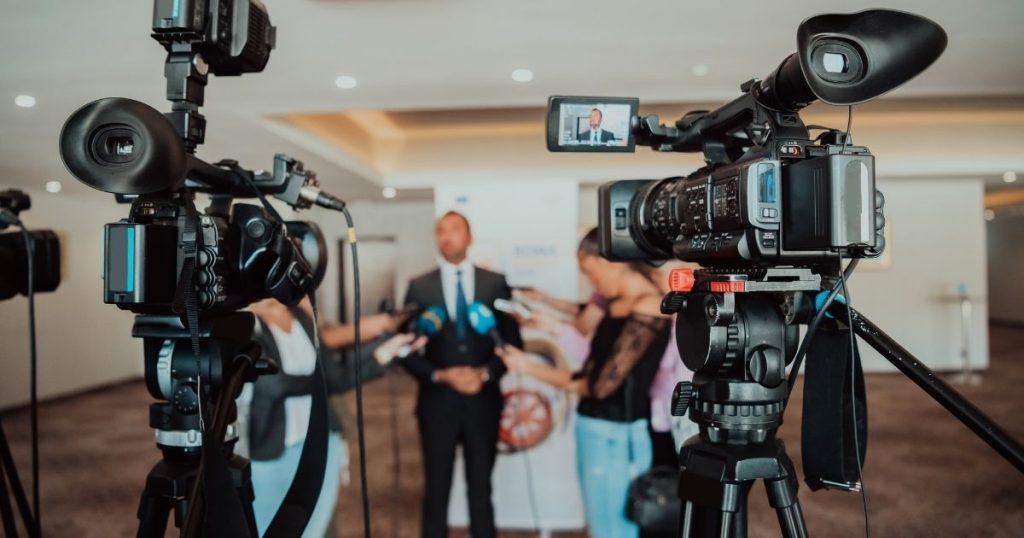
Table of Contents
- The Problem Most Coaches and Consultants Don’t See
- What a Professional Media Interview Actually Is
- How It Differs from Other Video Options
- What Makes the Media Interview Format Work
- Where You Use It and Why That Matters
- Who It’s Built For
- What the Process Looks Like
- Remote vs. In-Studio: Which Is Right for You
- FAQs
- The Bottom Line
The Problem Most Coaches and Consultants Don’t See
You have years of experience. You’ve helped real clients get real results. But when a prospect lands on your website or LinkedIn profile, something doesn’t land. They don’t reach out. Or they do, then disappear.
Most of the time, the problem isn’t your expertise. It’s that your expertise isn’t visible in a way that builds trust quickly enough.
Prospects form opinions before they ever speak with you. If your online presence doesn’t communicate authority clearly, you can lose the deal before the conversation even starts. A professional media interview is one of the most direct ways to fix that.
What a Professional Media Interview Actually Is
A professional media interview is a produced video segment that presents you the way a journalist or documentary filmmaker would: as a featured expert being asked about your area of knowledge.
It’s not a sales video. It’s not a testimonial reel. It’s not a talking-head clip you recorded on your phone. It looks and feels like the kind of content people associate with credible professionals who have been sought out for their perspective—not ones who are trying to sell something.
That distinction matters because of how people interpret what they watch. When someone sees a polished interview where you’re fielding thoughtful questions and giving substantive answers, they don’t feel sold to. They feel informed. That shift in perception is what builds trust.
For coaches, consultants, and speakers, this kind of asset does something a bio or a list of credentials simply can’t. It shows your thinking, your communication style, and your depth—all in a few minutes.
How It Differs from Other Video Options
There are plenty of video tools and services available in 2026. Most of them solve a different problem than the one you actually have.
DIY Video Tools
Platforms like Loom, BombBomb, and Bonjoro are built for quick, personal communication. They’re useful for follow-up messages or informal outreach. But they don’t produce the kind of polished, editorial-quality content that signals professional authority. A Loom recording says “I’m accessible.” A professionally produced media interview says “I’m an expert worth paying attention to.”
Customer Testimonial Services
Services like Testimonial Hero and Remote Video Testimonials focus on capturing what your clients say about you. That’s valuable social proof—but it’s a different signal than demonstrating your own expertise directly. Testimonials answer “did this person deliver results?” A media interview answers “does this person know what they’re talking about?” Both matter. They’re just not interchangeable.
Corporate Video Production
General video production companies can produce high-quality footage. What they typically don’t bring is a specific strategy for positioning coaches, consultants, and speakers as experts. The output might look professional without actually communicating the right things to the right audience.
What Makes the Media Interview Format Work
The interview format carries a kind of credibility that self-promotional content doesn’t.
When you produce a video explaining your own services, viewers know you’re selling. When you’re being interviewed, the dynamic shifts. Someone is asking you questions because your perspective is worth hearing. That’s a subtle but meaningful difference in how prospects receive it.
Production quality plays a role too. Proper lighting, sound, framing, and editing signal that someone took this seriously—and that reflects on you. Before a prospect has asked a single question, they’re already forming an impression based on what they see.
Then there’s the content itself. A well-run interview draws out your actual thinking: your frameworks, your point of view, the way you approach problems. That’s harder to fake and harder to ignore than a polished bio or a list of case studies.
Where You Use It and Why That Matters
A professional media interview isn’t a single-use asset. It works across the places where your prospects are already evaluating you.
Your website. Most professional service websites describe what someone does without demonstrating it. A media interview embedded on your homepage or about page gives visitors a reason to stay—and a reason to trust what they’re reading.
LinkedIn. Video performs well on LinkedIn, and a media-style interview stands out against the typical mix of text posts and selfie clips. It signals a different level of seriousness about your professional presence.
Proposals and follow-up. When a prospect is deciding between you and someone else, a link to a professional media interview does something a PDF can’t. It lets them hear you think. It makes you feel like a real, credible person rather than a name on a document.
Each of these is a moment where a prospect is forming an opinion about you. The interview gives you something concrete to put in front of them at every one.
Who It’s Built For
This format is specifically useful for coaches, consultants, and speakers who are already established but struggle to communicate that authority online.
If you’ve been working in your field for five or more years, have a real track record with clients, and sell high-ticket engagements, you likely have more expertise than your online presence shows. The gap isn’t your skills. It’s the absence of a compelling, professional asset that makes those skills obvious to someone who doesn’t know you yet.
If you rely heavily on referrals, a media interview gives you something to send that builds credibility before a referred prospect even gets on a call. If you’re tired of spending the first half of every sales conversation convincing people you’re qualified, this is a more direct solution than rewriting your bio or adding more case studies.
What the Process Looks Like
The process for a professional media interview should be simple. At Obvious Choice Interview, it works in three steps:
- Schedule your interview. You book a spot and work through the preparation process.
- Record your interview. You participate in the interview, either remotely or in-studio.
- Share your interview. You receive a finished, professionally produced video asset ready to deploy.
The value of a turnkey process is that you’re not managing a production project. You show up, do the interview, and get a finished asset. For busy professionals who don’t have time to coordinate a multi-week production, that matters.
Remote vs. In-Studio: Which Is Right for You
Both options produce a professional, credible finished product. The choice comes down to your preferences and where you’re positioning yourself.
Remote ($1,795) is the right fit for most coaches and consultants. It’s accessible regardless of location, and the production quality is designed to look polished on the platforms where you’ll actually use it.
In-Studio ($2,295) is for professionals who want the highest-level presentation. The studio environment adds a layer of visual authority that’s difficult to replicate remotely. If you’re positioning yourself at the top of your market or speaking on major stages, the in-studio option matches that level.
Both tiers have limited spots available each month, which reflects the hands-on nature of the production process.
FAQs
What is a professional media interview for coaches and consultants?
It’s a produced video segment that presents you as a featured expert being interviewed about your knowledge and experience. Unlike a sales video or testimonial, the interview format demonstrates your expertise in a way that feels credible and earned rather than promotional.
How is a professional media interview different from a testimonial video?
A testimonial video captures what your clients say about you. A professional media interview captures you demonstrating your own expertise directly. Both build trust, but differently. Testimonials show results; a media interview shows your thinking and depth of knowledge.
Where should I use a professional media interview once I have one?
The most common placements are your website homepage or about page, your LinkedIn profile, and proposals you send to prospective clients. These are the places where prospects are already evaluating you, so a strong video asset there has the most impact.
Do I need to be comfortable on camera or have video experience?
No. The interview format is designed to draw out your expertise through conversation. You don’t need to be a polished on-camera presenter—you need to know your subject well. If you’ve been working in your field for years, you already do.
How long does the process take from booking to finished video?
The specifics depend on scheduling and production time, but the process is designed to be straightforward: schedule, record, and receive your finished asset. It’s built for professionals who need results without managing a complex production project.
Is a professional media interview worth the investment for consultants selling high-ticket services?
If you sell engagements in the $3,000 to $25,000 range, a single new client more than covers the cost. The more relevant question is how many deals you’re currently losing because prospects can’t clearly see your authority before the first conversation.
What makes the media interview format more effective than just improving my website copy?
Copy describes your expertise. A media interview demonstrates it. Prospects can read a polished bio and still feel uncertain. Watching you think through a problem in real time, in a professional format, builds a different kind of confidence. It’s the difference between being told someone is credible and seeing it for yourself.
The Bottom Line
A professional media interview is a specific kind of video asset built to do one thing well: make your expertise visible to prospects before they ever speak with you.
It’s not about producing more content. It’s about having one strong, credible asset that works everywhere your prospects are already looking. If your expertise is real but your online presence doesn’t reflect it, that’s a solvable problem.
Learn more at obviouschoiceinterview.com.