
Obvious Choice Interview vs. DIY Video: Why Production Quality Matters for Coaches and Consultants
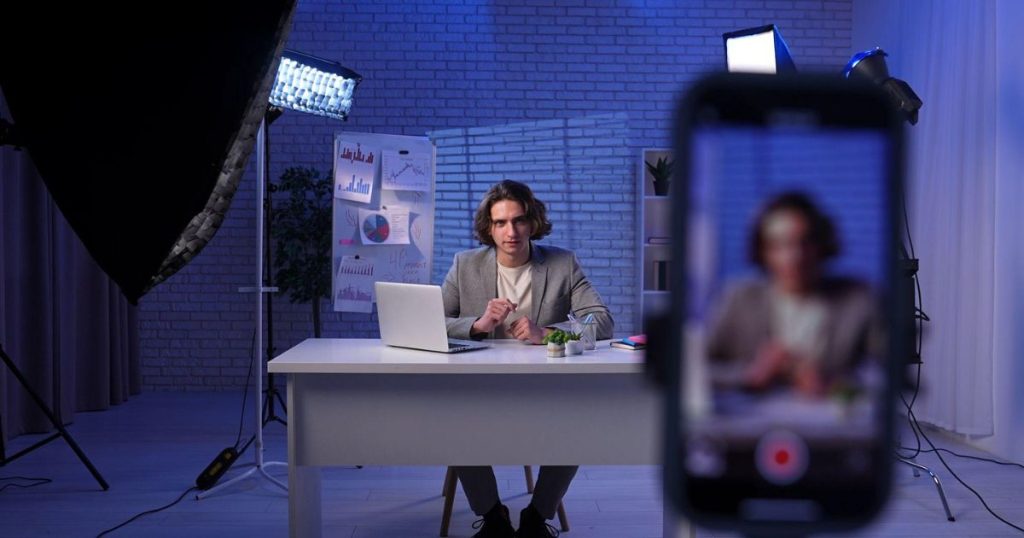
#professional-video-vs-diy-consultants-2026
You’ve been thinking about creating video content for your consulting business. The question keeping you up at night: should you invest in professional production or handle it yourself?
This isn’t about vanity. When you’re selling $10,000+ engagements, prospects form judgments within seconds of seeing your content. The wrong choice here can cost you deals before you ever get on a sales call.
Let’s examine what really happens when prospects encounter DIY versus professionally produced video—and when each approach makes sense for your business.
The Perception Gap: What Prospects See vs What You Think They See
Most consultants underestimate how quickly prospects form opinions about their credibility. When someone lands on your website or LinkedIn profile, they’re not just evaluating your expertise. They’re asking: “Does this person operate at the level I need for my business?”
DIY Video Signals
Your smartphone video might communicate your message clearly, but here’s what prospects often notice first:
- Inconsistent lighting that makes you look unprepared
- Audio quality that suggests corner-cutting
- Background distractions that signal lack of attention to detail
- Shaky footage that feels amateur
- Poor framing that looks unprofessional
These elements create subconscious doubt. Not about your expertise—about your standards.
Professional Production Signals
A media-style interview immediately communicates different assumptions:
- Editorial credibility that feels earned rather than claimed
- Production values that match high-stakes business environments
- Polished presentation that suggests you work with serious clients
- Interview format that positions you as the expert being sought out
- Consistent quality that reflects operational excellence
The difference isn’t just aesthetic. It’s about the story your video tells before you say a word.
When DIY Video Works (And When It Doesn’t)
DIY video has its place in your content strategy. Understanding when to use it—and when to avoid it—determines whether it helps or hurts your positioning.
DIY Video Success Scenarios
Internal communications. Team updates, client check-ins, and process explanations work fine with basic production. Your existing clients already trust you.
Social media engagement. Quick LinkedIn posts, behind-the-scenes content, and informal thought leadership can benefit from the authentic feel of DIY video.
Educational content. Screen recordings, whiteboard sessions, and tutorial-style content often work better with simpler production that doesn’t distract from the information.
High-frequency content. If you’re posting video content multiple times per week, DIY keeps costs manageable while maintaining consistency.
Where DIY Video Fails
First impressions. When prospects encounter you for the first time, production quality becomes a proxy for professional standards.
High-stakes proposals. Including DIY video in a $25,000 proposal can undermine the perceived value of your services.
Website homepage. Your main credibility asset shouldn’t look like it was created as an afterthought.
Speaking submissions. Event organizers expect polished demo reels that reflect the production values of their events.
Media appearances. Journalists and podcast hosts want guests who look comfortable on camera and understand professional presentation.
The Technical Reality: What Actually Creates Professional Quality
Understanding what separates professional from amateur video helps you make informed decisions about your approach.
Audio Quality
Poor audio kills credibility faster than any visual element. Professional productions use:
- Dedicated microphones positioned for optimal pickup
- Audio monitoring throughout recording
- Post-production mixing that eliminates distracting elements
- Consistent levels that don’t require viewer adjustment
DIY audio typically suffers from echo, background noise, inconsistent levels, and the hollow sound of built-in microphones.
Lighting Design
Professional lighting isn’t about expensive equipment—it’s about understanding how light affects perception:
- Key lighting that flatters your features
- Fill lighting that eliminates harsh shadows
- Background lighting that creates visual separation
- Color temperature consistency throughout the video
Smartphone lighting often creates unflattering shadows, color shifts, and distracting background elements that draw attention away from your message.
Interview Dynamics
A media-style interview creates different psychological positioning than talking directly to camera:
- Interviewer questions position you as the expert being consulted
- Natural conversation flow feels less promotional
- Professional interviewer draws out insights you might not cover solo
- Editorial structure creates narrative arc that holds attention
Self-recorded content requires you to be both expert and interviewer—a difficult balance that often results in either rambling or overly rehearsed delivery.
The Investment Question: Cost vs Value for Consultants
The real question isn’t whether professional video costs more than DIY—it’s whether the investment pays for itself through improved business outcomes.
DIY Video Costs (Often Hidden)
- Equipment purchase or rental
- Learning curve time investment
- Multiple recording attempts to get usable footage
- Basic editing software and learning time
- Opportunity cost of time spent on production vs client work
Most consultants underestimate the time investment. A simple 3-minute video can easily consume 8-12 hours when you factor in setup, multiple takes, and basic editing.
Professional Production Value
Professional video interviews provide finished assets you can deploy immediately across multiple channels:
- Website homepage credibility
- LinkedIn profile positioning
- Client proposal differentiation
- Speaking opportunity submissions
- Media kit components
When you’re selling $10,000+ engagements, closing one additional deal typically covers the entire investment in professional production.
ROI Calculation Framework
Consider this simple math: if professional video helps you close one additional $15,000 consulting engagement, the investment pays for itself. If it helps you command 10% higher fees across multiple engagements, the ongoing return becomes substantial.
Most consultants find that professional video assets continue generating value for 12-18 months across multiple business development activities.
Making the Right Choice for Your Business Stage
Your decision should align with your current business situation and growth goals.
Early-Stage Consultants
If you’re still validating your market or operating below $100K annually, DIY video might make sense for:
- Testing content approaches
- Building initial social proof
- Developing your on-camera presence
- Creating educational content
Focus on audio quality and consistent lighting. Simple improvements create disproportionate credibility gains.
Established Consultants
Once you’re selling $5,000+ engagements regularly, professional video becomes a strategic investment:
- Differentiates you from competitors still using DIY approaches
- Matches the production values your prospects expect
- Provides assets that support premium positioning
- Eliminates the time drain of DIY production
The key is treating video as a business development tool, not a marketing expense.
Scaling Consultants
If you’re building a consulting firm or positioning for speaking opportunities, professional video becomes essential:
- Media interviews position you as an industry authority
- High-quality assets support premium pricing strategies
- Professional presentation matches enterprise client expectations
- Polished content enables broader distribution opportunities
At this stage, DIY video can actually hurt your positioning by suggesting you’re not operating at the level your pricing requires.
Beyond Production: The Strategic Difference
The choice between DIY and professional video isn’t just about quality—it’s about strategic positioning.
DIY Video Strategy
Works best when you want to appear accessible, authentic, and approachable. The slightly rough edges can actually build connection with certain audiences who prefer informal communication styles.
Use DIY video when your brand benefits from a personal, behind-the-scenes feel and when your clients value authenticity over polish.
Professional Video Strategy
Positions you as an established expert who operates at enterprise levels. The editorial credibility suggests you’re worth seeking out for interviews and insights.
Professional production works when you need to establish authority quickly, differentiate from competitors, and support premium pricing strategies.
The Bottom Line: What Your Business Actually Needs
Your video approach should match your business goals and client expectations. Most successful consultants use both DIY and professional video strategically.
Professional video interviews work best for high-stakes positioning: website credibility, major proposals, speaking submissions, and media opportunities. These situations require immediate authority establishment.
DIY video works well for ongoing engagement: social media content, client communications, and educational materials where authenticity matters more than polish.
The mistake most consultants make is using DIY video for first-impression scenarios where professional quality would significantly impact business outcomes.
Your expertise isn’t the problem—making it obvious is. Sometimes that requires production values that match the stakes of the conversation you’re trying to start.
If you’re ready to position yourself as the obvious choice in your field, professional video interviews provide the editorial credibility that DIY approaches simply can’t match. Learn more at obviouschoiceinterview.com.