
How to Use Your Expert Interview Video Across Every Stage of Your Marketing Funnel
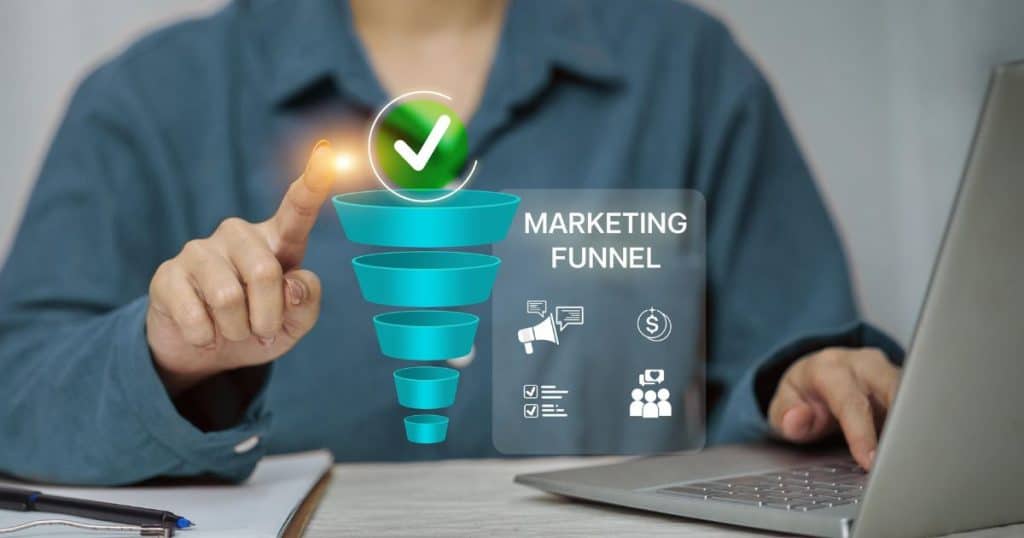
Table of Contents
- Why One Video Asset Can Transform Your Entire Marketing Strategy
- Top of Funnel: Building Awareness and Authority
- Middle of Funnel: Nurturing Prospects with Credibility
- Bottom of Funnel: Converting Prospects into Clients
- Maximizing Video ROI Across All Touchpoints
- Measuring Success and Optimizing Performance
- FAQs
- Conclusion
You’ve invested in creating a professional expert interview video. Now what?
Most coaches, consultants, and speakers make the same mistake: they upload their video to one platform and call it done. They’re missing the opportunity to maximize their video ROI by deploying it strategically across their entire marketing funnel.
Your expert interview video isn’t just a single asset. It’s a versatile tool that can work at every stage of your marketing funnel to build trust, establish authority, and convert prospects into clients. This guide shows you exactly how to use video in your marketing funnel to get the maximum return on your investment.
Why One Video Asset Can Transform Your Entire Marketing Strategy
Your expert interview video serves different purposes depending on where prospects encounter it in their buyer’s journey. At the top of the funnel, it builds awareness and positions you as a credible authority. In the middle, it nurtures prospects by demonstrating your expertise. At the bottom, it provides the social proof needed to close deals.
The key is understanding that prospects need different types of reassurance at each stage. Early-stage prospects want to know you’re qualified to solve their problem. Mid-stage prospects need to see how you think and approach challenges. Late-stage prospects require confidence that you’re the right choice among their options.
A well-crafted expert interview video addresses all these needs in a single asset. Instead of creating separate content for each funnel stage, you can repurpose video content strategically to guide prospects from awareness to purchase.
Top of Funnel: Building Awareness and Authority
LinkedIn Content Strategy
Your expert interview video becomes a content goldmine for LinkedIn. Extract 60-90 second clips that highlight your most compelling insights. These shorter segments perform better on social media and give prospects a taste of your expertise without requiring a large time commitment.
Post these clips with captions that tease the full insight. For example, if your video covers leadership challenges, share a 60-second clip about the biggest mistake leaders make, then direct viewers to your full video for the complete framework.
Use your video as the foundation for LinkedIn articles. Take key points from your interview and expand them into written content. Reference your video as additional context, driving traffic to your website where the full interview lives.
Website Homepage Integration
Your expert interview video belongs prominently on your homepage, but not buried at the bottom. Place it above the fold where visitors can immediately see your credibility. This positioning works because prospects visiting your website are already interested but need reassurance that you’re qualified.
Create a compelling headline that frames the video properly. Instead of “Watch My Interview,” use something like “See Why Companies Choose [Your Name] for [Your Specialty].” This positions the video as social proof rather than self-promotion.
Speaking Opportunity Applications
When applying to speak at conferences or events, your expert interview video serves as a powerful credibility asset. Event organizers want speakers who can engage audiences and deliver value. Your video demonstrates both your expertise and your ability to communicate effectively.
Include your video in speaker one-sheets and pitch emails. It’s more compelling than a written bio because organizers can see and hear your communication style. This gives you an advantage over speakers who only provide text-based materials.
Middle of Funnel: Nurturing Prospects with Credibility
Email Sequence Integration
Your expert interview video works perfectly in email nurture sequences. Prospects who’ve shown initial interest need deeper exposure to your expertise before they’re ready to buy. Video provides that exposure more effectively than text alone.
Include your video in the second or third email of your nurture sequence. By this point, prospects have engaged with your initial content and are ready for more substantial proof of your expertise. Frame the video as exclusive insight: “I recently sat down for an in-depth interview about [topic]. Here’s what I shared about [specific challenge your prospects face].”
Create email sequences that reference specific segments of your video. If your interview covers five key strategies, send five separate emails that each focus on one strategy, with the video providing additional context and credibility.
LinkedIn Direct Message Sequences
When prospects connect with you on LinkedIn but aren’t ready to schedule a call, your expert interview video bridges the gap. It provides substantial value without requiring a sales conversation.
Send your video in the second or third message of your LinkedIn outreach sequence. The first message should acknowledge their connection and provide initial value. The second can introduce your video as additional insight into their challenges.
Frame the video sharing naturally: “Based on your background in [their industry], you might find this interview useful. I covered [specific topic relevant to them] and shared some strategies that have worked well for similar companies.”
Website Resource Pages
Create dedicated resource pages that feature your expert interview video alongside complementary content. This approach positions your video as valuable educational content rather than promotional material.
Build resource pages around specific topics covered in your interview. If you discussed change management, create a comprehensive resource page about change management that includes your video, related articles, and downloadable frameworks.
These resource pages serve prospects who are researching solutions but aren’t ready to engage directly. They can consume your content at their own pace while building familiarity with your expertise.
Bottom of Funnel: Converting Prospects into Clients
Proposal Integration
Your expert interview video belongs in every proposal you send. Prospects reviewing proposals are making final decisions between you and competitors. Your video provides the credibility edge that tips decisions in your favor.
Embed your video early in your proposal, ideally in the “About” or “Why Choose Us” section. Don’t bury it at the end where prospects might not see it. Position it as insight into your approach and expertise.
Create proposal templates that naturally incorporate your video. Instead of lengthy written descriptions of your background, let your video demonstrate your expertise while keeping your proposal concise and focused on their specific needs.
Sales Call Follow-Up
After initial sales conversations, prospects often need time to consider their options. Your expert interview video serves as perfect follow-up material that keeps you top-of-mind while they deliberate.
Send your video within 24 hours of your sales call with a note like: “Thanks for our conversation about [specific challenge]. This interview covers some additional strategies we discussed. The section starting at [timestamp] specifically addresses [their concern].”
This approach provides value while subtly reinforcing your expertise. Prospects appreciate the additional insight, and you stay engaged in their decision-making process without being pushy.
Website Conversion Pages
Your expert interview video significantly improves conversion rates on key website pages. Place it on your services pages, about page, and any page where prospects make decisions about working with you.
On services pages, position your video to address common objections or concerns. If prospects typically worry about your approach or methodology, let your video demonstrate your thinking process and expertise.
Create dedicated landing pages built around your expert interview video for specific campaigns or referral sources. These pages can focus entirely on establishing credibility before directing prospects to take action.
Maximizing Video ROI Across All Touchpoints
Content Repurposing Strategy
Your expert interview video contains multiple pieces of content waiting to be extracted. Create a systematic approach to repurpose video content across different formats and platforms.
Extract audio-only versions for podcast-style content. Many prospects prefer consuming content while commuting or exercising. Audio versions expand your reach to these audiences.
Create written summaries and key takeaways from your video. Some prospects prefer reading to watching. Written versions also improve your SEO and make your content more discoverable.
Develop infographics and visual summaries based on frameworks or strategies discussed in your video. Visual content performs well on social media and provides another way for prospects to engage with your expertise.
Cross-Platform Distribution
Don’t limit your expert interview video to a single platform. Distribute it across all channels where your prospects spend time, adapting the format and messaging for each platform’s audience.
Upload your full video to YouTube with SEO-optimized titles and descriptions. YouTube serves as a search engine for video content, helping prospects discover your expertise when researching solutions.
Create platform-specific versions for different social media channels. LinkedIn prefers shorter, professional content. Facebook allows longer-form content but benefits from engaging captions and calls-to-action.
Tracking and Analytics
Implement tracking systems to measure how your expert interview video performs across different touchpoints. This data helps you optimize placement and messaging for better results.
Use video hosting platforms that provide detailed analytics. Track completion rates, engagement patterns, and drop-off points to understand how prospects interact with your content.
Monitor website analytics to see how video placement affects conversion rates and user behavior. Test different positions and calls-to-action to optimize performance.
Track email open rates and click-through rates for messages that include your video. This data helps you refine your email marketing approach and timing.
Measuring Success and Optimizing Performance
Key Performance Indicators
Establish clear metrics for measuring your video marketing strategy success. Different funnel stages require different success metrics, so track performance appropriately for each use case.
For top-of-funnel activities, measure reach, engagement, and brand awareness metrics. Track video views, social media engagement, and website traffic from video-related content.
For middle-of-funnel activities, focus on lead quality and nurturing effectiveness. Monitor email engagement rates, content consumption patterns, and prospect progression through your sales process.
For bottom-of-funnel activities, track conversion rates and deal closure metrics. Measure how proposals that include your video perform compared to those without it.
Continuous Improvement
Regularly review and optimize your video deployment strategy based on performance data and prospect feedback. What works today might need adjustment as your audience evolves or market conditions change.
Test different video placements on your website to find optimal positions for conversion. A/B test email subject lines and messaging when sharing your video in nurture sequences.
Gather feedback from prospects and clients about your video content. Ask what resonated most and what additional topics they’d like you to address in future content.
Stay current with platform changes and new opportunities for video distribution. Social media algorithms and best practices evolve constantly, requiring ongoing optimization of your approach.
Your expert interview video represents a significant investment in your marketing strategy. By deploying it strategically across every stage of your marketing funnel, you maximize its impact and return on investment. The key is understanding that different prospects need different types of reassurance at different stages of their buyer’s journey.
For coaches, consultants, and speakers looking to establish credibility and build trust with prospects, a professionally produced expert interview video serves as a versatile asset that works across multiple touchpoints. Learn more about creating your own expert interview video at obviouschoiceinterview.com.
FAQs
How long should my expert interview video be for maximum effectiveness?
The ideal length depends on your audience and platform. For comprehensive expert interviews, 15-20 minutes works well for website placement and email nurturing. However, create shorter clips (60-90 seconds) for social media and initial prospect engagement. The key is having both long-form and short-form versions available for different use cases.
Should I gate my expert interview video behind a lead capture form?
This depends on your marketing strategy and funnel stage. For top-of-funnel awareness building, keep your video ungated to maximize reach and shareability. For middle-of-funnel lead nurturing, consider gating longer or more detailed versions to capture prospect information. Test both approaches to see what works best for your audience.
How often should I reference my expert interview video in sales conversations?
Reference your video naturally when it adds value to the conversation. If prospects express concerns or questions that your video addresses, mention it as additional insight. Avoid over-promoting your video, but don’t hesitate to share it when it genuinely helps prospects understand your expertise or approach.
Can I use the same expert interview video for multiple years?
Yes, if the content remains relevant and current. However, consider creating updated versions annually or when your expertise evolves significantly. Evergreen topics like leadership principles or strategic thinking can remain relevant longer than tactical advice that might become outdated.
What’s the best way to measure ROI from my expert interview video across the marketing funnel?
Track different metrics for each funnel stage: awareness metrics (views, reach, engagement) for top-of-funnel, lead quality and progression metrics for middle-of-funnel, and conversion rates and deal closure for bottom-of-funnel. Use UTM codes and video analytics to track how video exposure influences prospect behavior and purchasing decisions.
How do I prevent my expert interview video from feeling too promotional?
Focus on providing genuine value and insights rather than talking about your services directly. Structure your video around solving prospects’ problems or sharing strategic frameworks. Let your expertise demonstrate your credibility naturally rather than making explicit claims about your capabilities.
Should I create different expert interview videos for different target audiences?
If you serve distinctly different markets with different challenges, separate videos can be more effective. However, many coaches, consultants, and speakers can create one comprehensive video that addresses common themes across their audience segments. Test with one video first, then consider creating specialized versions based on performance and feedback.
Conclusion
Your expert interview video isn’t just content—it’s a strategic asset that can work across every stage of your marketing funnel. From building initial awareness on LinkedIn to closing deals in proposals, the right video deployment strategy multiplies your investment’s impact.
The key is thinking beyond single-use applications. Your video contains multiple pieces of content, serves different purposes at different funnel stages, and provides the credibility that prospects need to choose you over competitors.
Start by auditing your current marketing funnel and identifying where video could strengthen your prospect relationships. Then systematically deploy your expert interview video across these touchpoints, measuring performance and optimizing based on results.