
How to Use a Professional Video Interview in Your Client Proposals to Close More Deals
#video-interview-client-proposals-close-deals
Your proposal just landed in a prospect’s inbox alongside three others. Each consultant promises similar results. Each has impressive credentials. Each charges roughly the same fee.
The prospect will choose one. But which one?
Most consultants lose deals at this exact moment—not because their expertise lacks quality, but because their proposals fail to communicate credibility. A wall of text describing your methodology doesn’t build trust. Neither do bullet-pointed case studies or polished testimonials that sound promotional.
What works is showing your expertise instead of describing it. And the most effective way to do that is with a professionally produced video interview embedded directly in your proposal.
Why Video Interviews Outperform Traditional Proposal Elements
When prospects evaluate consultants, they’re not just buying a service—they’re buying confidence in your ability to deliver results. Text-based proposals force prospects to imagine what working with you might feel like. Video interviews eliminate that guesswork.
A media-style interview demonstrates three things simultaneously: your depth of knowledge, your communication style, and your professional presence. Prospects see you thinking through complex problems in real-time. They hear how you explain concepts. They observe your confidence and composure.
This matters because consulting is fundamentally a trust-based business. Prospects need to believe you can guide them through challenges they can’t solve themselves. Written descriptions of your process create intellectual understanding. Video interviews create emotional confidence.
The format also carries editorial weight. Unlike testimonials or promotional videos, interviews feel journalistic and objective. The third-party interviewer validates your expertise through their questions and responses. This positions you as a recognized authority rather than someone promoting themselves.
Strategic Placement Within Your Proposal Structure
The video interview should appear early in your proposal—ideally on page two or three, right after you’ve outlined the prospect’s challenges but before diving into your detailed solution.
This placement serves a specific psychological purpose. Prospects are still forming their impression of you at this stage. They’ve identified their problem and are evaluating whether you understand it. The video interview confirms your grasp of their situation while establishing your credibility to solve it.
Introduce the video with a brief context statement: “Before outlining our approach, here’s a recent interview discussing the exact challenges you’re facing and how we’ve helped similar organizations address them.”
Keep the introduction short. Let the video do the heavy lifting. Your goal is to build confidence, not oversell.
What Your Interview Should Cover
The most effective proposal videos address three core areas: problem diagnosis, solution philosophy, and outcome delivery.
Problem Diagnosis: Demonstrate your understanding of the challenges your prospect faces. Discuss industry trends, common obstacles, and why traditional approaches often fall short. This shows you’ve seen their situation before and understand its complexity.
Solution Philosophy: Explain your approach without giving away proprietary methodology. Focus on principles and frameworks rather than step-by-step processes. Prospects want to understand how you think, not steal your intellectual property.
Outcome Delivery: Share specific examples of results you’ve achieved for similar clients. Use concrete metrics and timelines. Avoid generic success stories—be specific about industries, company sizes, and measurable improvements.
The entire segment should run 3-5 minutes. Longer videos reduce completion rates. Shorter videos don’t provide enough depth to build meaningful confidence.
Technical Implementation and Presentation
Embed the video directly in your PDF proposal or include a prominent thumbnail that links to a private viewing page. Avoid requiring prospects to download files or navigate to public platforms like YouTube.
The video quality matters significantly. Poor audio, inconsistent lighting, or amateur framing undermines your credibility instead of building it. Prospects subconsciously associate production quality with professional competence.
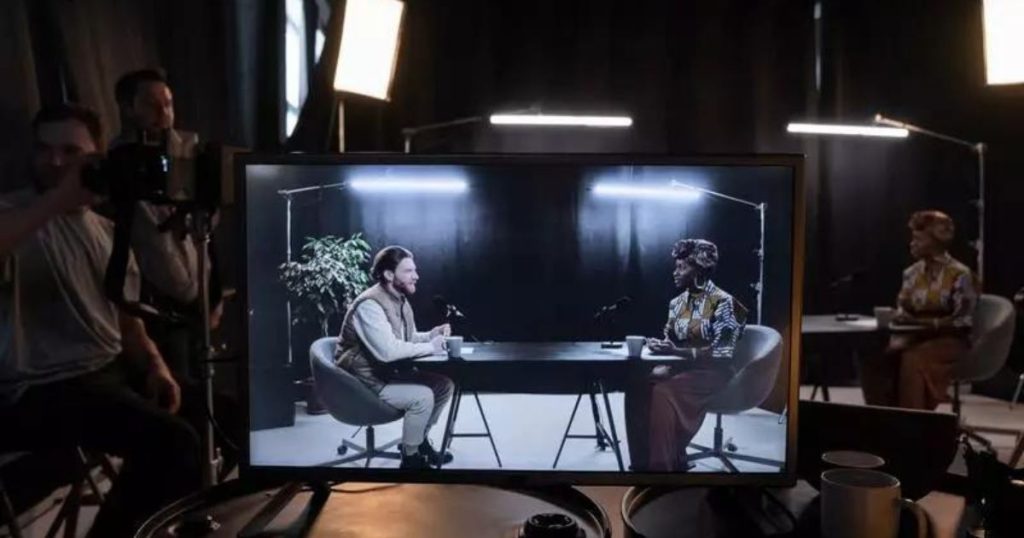
Professional interviews shot with proper equipment and editing create an entirely different impression than webcam recordings or smartphone videos. The media-style format—with professional interviewer, multiple camera angles, and polished post-production—positions you as someone worth featuring rather than someone creating content.
Addressing Common Concerns and Objections
Many consultants worry that including video in proposals seems gimmicky or unprofessional. The opposite is true when executed properly. Professional video interviews signal that you’re established enough to warrant media attention. They suggest demand for your expertise beyond this single proposal.
Others fear that video adds unnecessary complexity to the proposal process. But embedding a single video file requires no more effort than including an infographic or chart. The technical barrier is minimal while the impact is substantial.
The most common concern is whether prospects will actually watch the video. Research consistently shows that people prefer video content when evaluating service providers. A well-placed, professionally produced interview gets viewed at much higher rates than written case studies get read.
Measuring Impact on Close Rates
Track your proposal success rates before and after implementing video interviews. Most consultants see meaningful improvements within their first few proposals.
Pay attention to the quality of follow-up conversations. Prospects who watch your interview typically come to discovery calls with different questions. They’ve already assessed your competence and want to discuss implementation details rather than basic qualifications.
This shift shortens sales cycles and improves close rates. Prospects spend less time evaluating whether you can do the work and more time determining if you’re the right fit for their specific situation.
Integration with Other Proposal Elements
The video interview shouldn’t replace other proposal components—it should enhance them. Your methodology section becomes more credible after prospects have seen you discuss similar approaches. Your case studies carry more weight after they’ve heard you explain your problem-solving philosophy.
Use the interview to support your written content, not duplicate it. If the video covers your diagnostic process, the methodology section can focus on implementation steps. This creates a comprehensive picture without redundancy.
Beyond Individual Proposals: Building Long-Term Authority
Professional video interviews serve purposes beyond single proposals. The same asset works on your website, LinkedIn profile, and follow-up communications. This consistency reinforces your positioning across all prospect touchpoints.
Prospects often share compelling proposals with colleagues or stakeholders. A professional video interview makes your proposal more likely to be forwarded and creates a stronger impression with decision-makers who weren’t part of the initial conversation.
Making Your Expertise Obvious
Most consultants have the expertise to solve their prospects’ problems. The challenge isn’t developing competence—it’s communicating it effectively. Written proposals force prospects to take your word for your capabilities. Professional video interviews let them see your expertise in action.
When prospects can observe your thinking process, communication style, and professional presence, the decision becomes obvious. They’re not choosing between similar-sounding consultants anymore. They’re choosing the one who clearly demonstrated their ability to deliver results.
Your expertise isn’t the problem. Making it obvious is.
The consultants who consistently win deals in 2026 understand that proposals are sales tools, not just project descriptions. They use every available method to build prospect confidence before the final decision. Professional video interviews provide that confidence in a format that feels earned rather than promoted.
Ready to see how a media-style interview can transform your proposal close rates? Learn more at obviouschoiceinterview.com.