
Best Ways to Build Trust With Prospects Before the First Sales Call in 2026
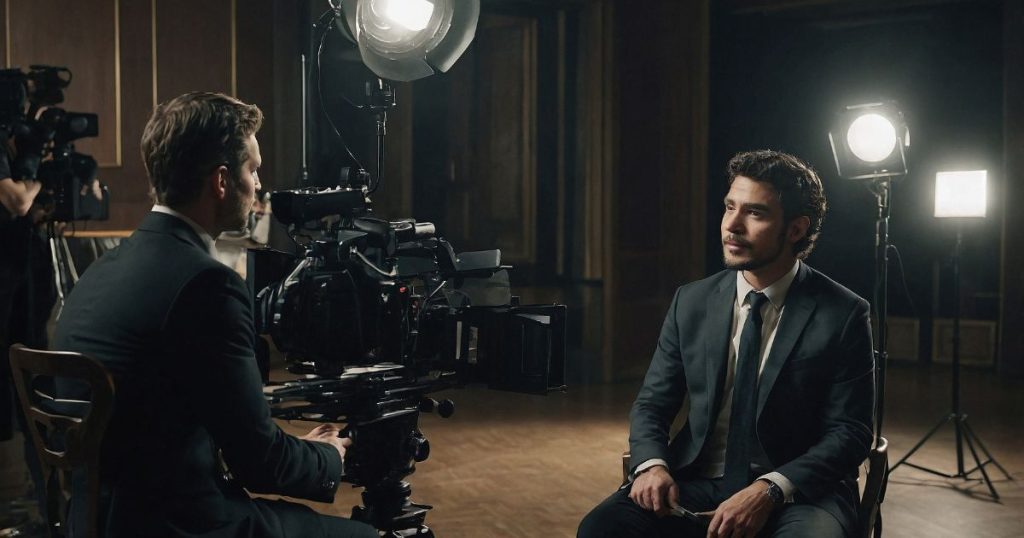
Table of Contents
- Why Trust Decides the Sale Before You Say a Word
- The Real Reason Prospects Ghost You
- 7 Ways to Build Trust With Prospects Before the First Sales Call
- 1. Show Your Expertise on Video
- 2. Make Your LinkedIn Profile Do Real Work
- 3. Write Content That Proves You Understand Their Problem
- 4. Use Social Proof That Feels Specific, Not Generic
- 5. Send a Pre-Call Asset Instead of Just a Calendar Link
- 6. Make Your Website Speak to One Person, Not Everyone
- 7. Position Yourself as a Featured Expert, Not a Vendor
- What Most Coaches and Consultants Get Wrong
- FAQs
- The Bottom Line
Why Trust Decides the Sale Before You Say a Word
By the time a prospect gets on a call with you, they’ve already made up their mind—at least provisionally. They looked you up. They scanned your website, checked your LinkedIn, maybe watched a video. And in those few minutes, they decided whether you feel like someone worth trusting.
If what they found was thin or hard to read, that early impression works against you. You spend the whole call trying to recover credibility that should have been there before you said hello.
That’s the real problem. Not your pitch. Not your pricing. Not your close.
Trust is built before the call. Your job is to make sure it is.
The Real Reason Prospects Ghost You
You’ve been there. A prospect reaches out, seems genuinely interested, you send a calendar link—and then silence. No reply. No explanation.
Most coaches and consultants assume it’s a pricing issue or a timing issue. Sometimes it is. But often, it’s a confidence issue on their end. They weren’t sure enough about you to commit even 30 minutes.
Think about how they see you. You know your track record. You know your results. But to them, you’re a name on a website with a headshot and a list of services. If your online presence doesn’t clearly signal that you’re the right person for their problem, the easiest thing to do is nothing.
A better follow-up sequence won’t fix that. Making your expertise obvious before they ever have to decide will.
7 Ways to Build Trust With Prospects Before the First Sales Call
1. Show Your Expertise on Video
Written content tells people you’re an expert. Video shows them.
When a prospect watches you speak on camera, something shifts. They hear how you think. They see how you carry yourself. They get a feel for whether you’re someone they’d actually want to work with. That’s hard to get from a bio page.
The format matters, though. A shaky webcam recording doesn’t build the same confidence as a professionally produced interview. There’s a reason media appearances carry weight—the production quality signals that someone thought you were worth featuring.
A media-style interview, like what Obvious Choice Interview produces for coaches, consultants, and speakers, creates exactly that impression. It’s not a talking-head selfie video. It’s a finished asset that looks and feels like you were interviewed by a credible outlet. Prospects watch it and arrive at the call already convinced.
2. Make Your LinkedIn Profile Do Real Work
LinkedIn is where most high-ticket prospects do their due diligence. If your profile reads like a resume, you’re leaving trust on the table.
Your headline should speak to the outcome you create, not your job title. Your About section should address the specific problem your ideal client has—not list your credentials in chronological order. And if you have video, it should be front and center.
The consultants and speakers who consistently win business on LinkedIn aren’t necessarily posting every day. They’ve built profiles that do the trust-building work passively, for every prospect who visits.
3. Write Content That Proves You Understand Their Problem
Thought leadership works when it’s specific. A post that says “leadership matters” doesn’t build trust. A post that says “here’s the exact conversation most managers avoid, and why it costs them their best people” does.
Write about the problems your clients actually face. Use the language they use. Show that you’ve seen this before and know what to do about it.
A prospect who has read three of your articles before the call already feels like they know you. That’s a very different conversation than starting from zero.
4. Use Social Proof That Feels Specific, Not Generic
“John was great to work with” doesn’t move anyone. Specific outcomes do.
When you collect testimonials, push for detail. What was the situation before? What changed? What result did the client actually see? That kind of proof is credible because it’s particular. Generic praise sounds like it could have been written by anyone, about anyone.
Video testimonials carry more weight than written ones—for the same reason video works in general. A real person speaking on camera is harder to dismiss.
5. Send a Pre-Call Asset Instead of Just a Calendar Link
When a prospect books a call, most people send a confirmation email and a Zoom link. That’s a missed opportunity.
Think about what you could send instead: a short video explaining what the call will cover, a case study relevant to their situation, or a media interview that shows your thinking and your style.
Arriving at a call after watching a well-produced expert interview is a completely different experience than arriving cold. The prospect already has context. They already have confidence. You skip the credibility-building phase and get straight to the real conversation.
6. Make Your Website Speak to One Person, Not Everyone
Most consultant and coach websites try to appeal to everyone and end up resonating with no one. The copy is vague. The value proposition is buried. The visitor can’t immediately tell if this is for them.
A website that builds trust before the call is specific. It names who it’s for. It describes their problem clearly. It shows evidence of results. And it answers the question every prospect is quietly asking: “Is this person the right one for my situation?”
If your site currently reads like a brochure, that’s worth fixing—not because you need a redesign, but because the words and proof points need to do more work.
7. Position Yourself as a Featured Expert, Not a Vendor
There’s a real difference in how prospects perceive a vendor versus a featured expert. Vendors get compared on price. Experts get hired because they’re the right person.
How you’re perceived before the call has a lot to do with how you’re presented. A consultant with a media-style interview on their website looks different than one with just a bio and a contact form—not because their expertise is different, but because the presentation signals something different.
That’s the core idea behind Obvious Choice Interview. The service produces professionally filmed interviews for coaches, consultants, and speakers and delivers a finished video asset they can place on their website, LinkedIn profile, and proposals. Prospects encounter you as a featured expert before they ever reach out.
What Most Coaches and Consultants Get Wrong
The most common mistake is waiting for the sales call to do the trust-building work.
If you’re spending the first 15 minutes of every discovery call explaining who you are and why you’re qualified, that time is working against you. The prospect is evaluating rather than engaging. You’re in defense mode when you should be in problem-solving mode.
The second mistake is thinking more content is the answer. More LinkedIn posts, more articles, more emails. Volume doesn’t build trust. Quality and specificity do.
A single well-produced video interview, placed in the right spots, does more trust-building work than months of scattered posts. It’s not about being everywhere. It’s about making the right impression in the moments that matter.
The third mistake is relying entirely on referrals. Referrals are valuable, but they don’t scale—and they don’t help with prospects who find you through other channels. If your digital presence can’t stand on its own, you’re leaving opportunities on the table every day.
FAQs
How early in the buying process does trust matter?
Trust starts forming the moment a prospect encounters your name. Before they reach out, before they book a call, they’re already forming an impression based on what they find online. That’s why your digital presence—not just your sales skills—determines whether they take the next step.
What’s the most effective way to build trust with prospects before a sales call?
Video is consistently the strongest format because it lets prospects see and hear you before they ever meet you. A professionally produced interview carries more weight than a DIY recording because the quality of the presentation reflects the quality of the expert. Pair that with specific written proof points and a clear website, and you have a solid pre-call trust foundation.
Does a media-style interview work better than a customer testimonial video?
They serve different purposes. A testimonial shows what clients say about you. A media-style interview shows how you think, how you communicate, and how you carry yourself. Both build trust, but an interview positions you as the expert rather than just a provider with satisfied clients. Ideally, you’d have both.
How do I use a video interview to warm up prospects before a sales call?
Place it on your website’s homepage or about page, add it to your LinkedIn profile, and include a link in your pre-call confirmation email. When prospects watch it beforehand, they arrive with context and confidence already in place. The conversation starts at a different level.
What makes a video asset feel credible rather than promotional?
Production quality matters, but so does format. A self-recorded pitch video feels promotional because it is one. An interview format feels earned—someone is asking you questions, drawing out your expertise. That editorial structure creates a different impression than a direct-to-camera sales message.
How long does it take to see results from pre-call trust-building efforts?
Some results are immediate. A prospect who watches your interview before a call will show up differently than one who found you cold. Longer-term results—more inbound inquiries, higher close rates—build over time as your digital presence compounds. The video asset starts working the day you publish it.
Is pre-call trust-building worth the investment for high-ticket services?
At $3,000 to $25,000 per engagement, the math is straightforward. If a stronger pre-call presence helps you close even one additional client per year, the return on a professional video investment is significant. Most clients who work with Obvious Choice Interview recover the cost with a single new engagement.
The Bottom Line
Your expertise isn’t the problem. Making it obvious is.
The coaches, consultants, and speakers who consistently win high-ticket clients aren’t always the most qualified. They’re the ones whose expertise is most visible before the first conversation happens. Prospects arrive at the call already convinced, already trusting, already leaning toward yes.
That doesn’t happen by accident. It happens because the right assets are in the right places, doing trust-building work around the clock.
If you’re ready to stop starting every call from scratch, learn more at obviouschoiceinterview.com.